On the Surface: What to consider when choosing and preparing your artwork’s support.
The surface you work on is just as important as the materials you use.
It affects how your work looks, how it lasts, and how it can be displayed. Whether you’re working on paper, canvas, board, or textile, your choice of surface should feel intentional, not incidental.
1. What do we mean by “surface”?
Your surface (or support) is the material on which your work is made on.
Most common examples include the following; however, we are very aware that many things may be considered a surface:
Canvas
Paper
Board
Wood panel
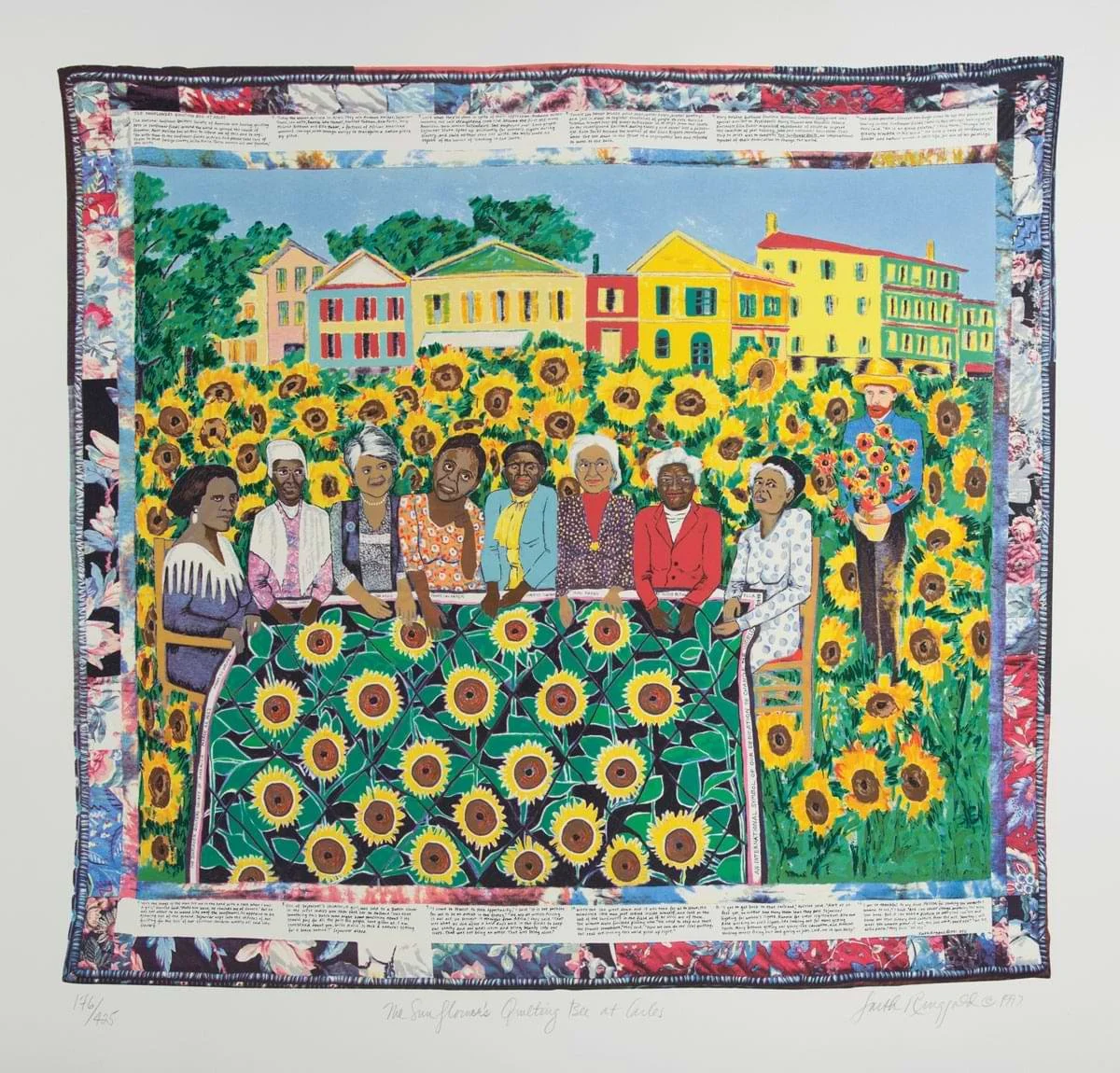
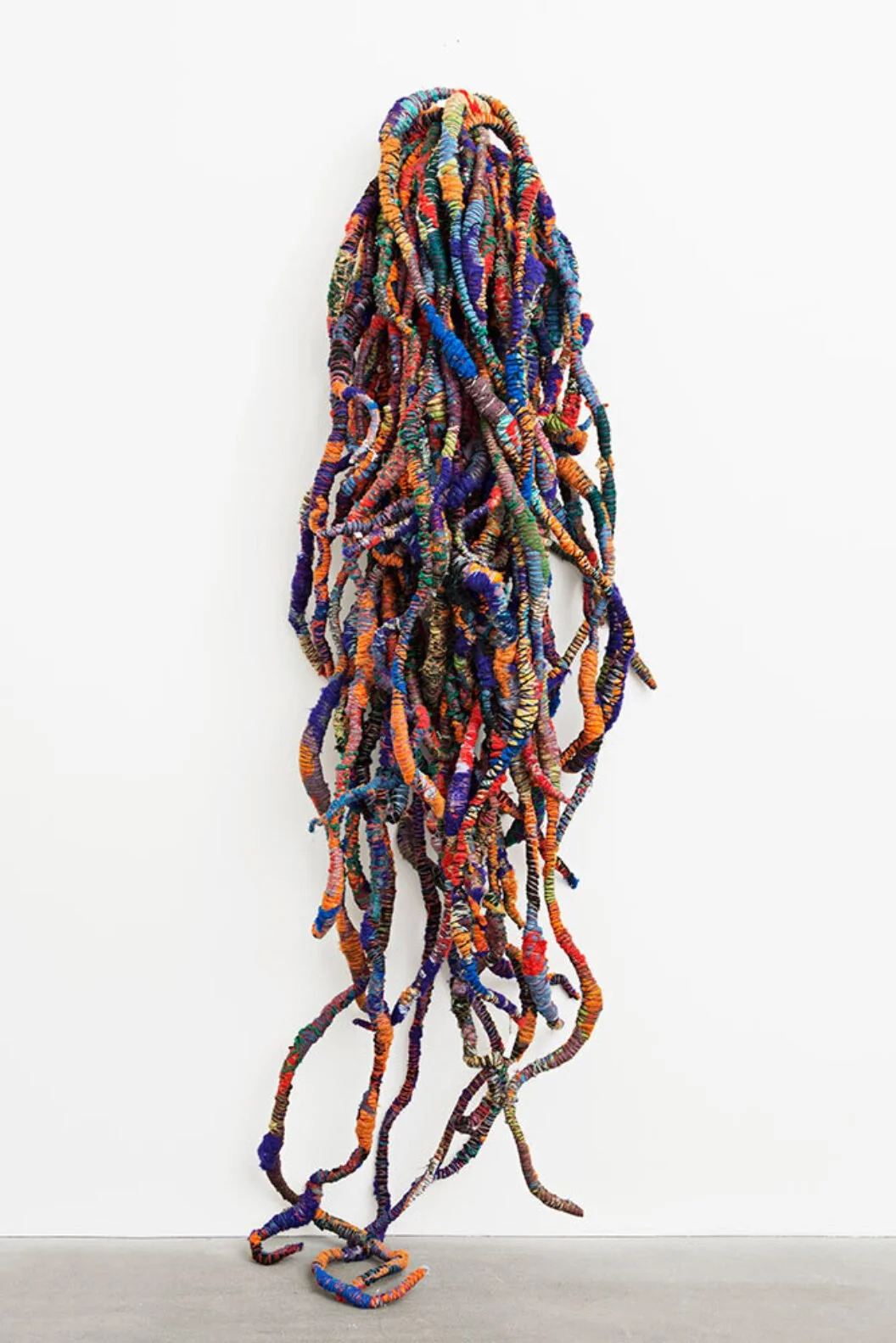
Textile
Ceramic
It should always be included when describing your work (e.g. oil on canvas, ink on paper).
2. Choose a surface that suits your medium
Not all materials behave the same way on every surface. Again, this is standard guidance but don’t let it limit your practice if you use certain mediums with certain surfaces!
Oil paint works best on primed canvas or board
Watercolour and ink require paper designed to absorb liquid
Charcoal and pastel need a surface with some “tooth”
Clay and ceramics are self-supporting but require proper firing
3. Think about presentation
Your surface directly affects how your work will be shown.
Paper works are usually framed
Canvas may be framed or unframed
Board and panel works are often ready to hang
Textiles may need specific fixing methods
When submitting work, consider whether your surface allows for straightforward display.
4. Keep it stable and durable
We look for work that is ready to exhibit.
Avoid surfaces that warp, crease, or feel fragile
Ensure paper is of a suitable weight
Make sure canvases are properly stretched
Check that materials are securely fixed
5. Be clear when you describe it
Always include your surface in the medium line:
Oil on linen
Ink on handmade paper
Acrylic on board
Vegetable dye on textile
This helps us understand both the material and how the work will be handled. It is not just helpful for us, but for visitors to the exhibition, and potential collectors!
6. When to go beyond the standard
If your surface is unusual, include it, but keep it simple:
Charcoal on found cardboard
Oil on reclaimed wood panel
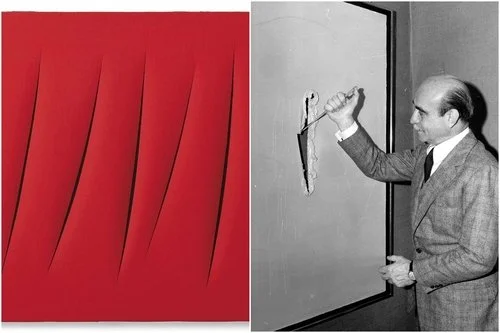
Beyond the traditional
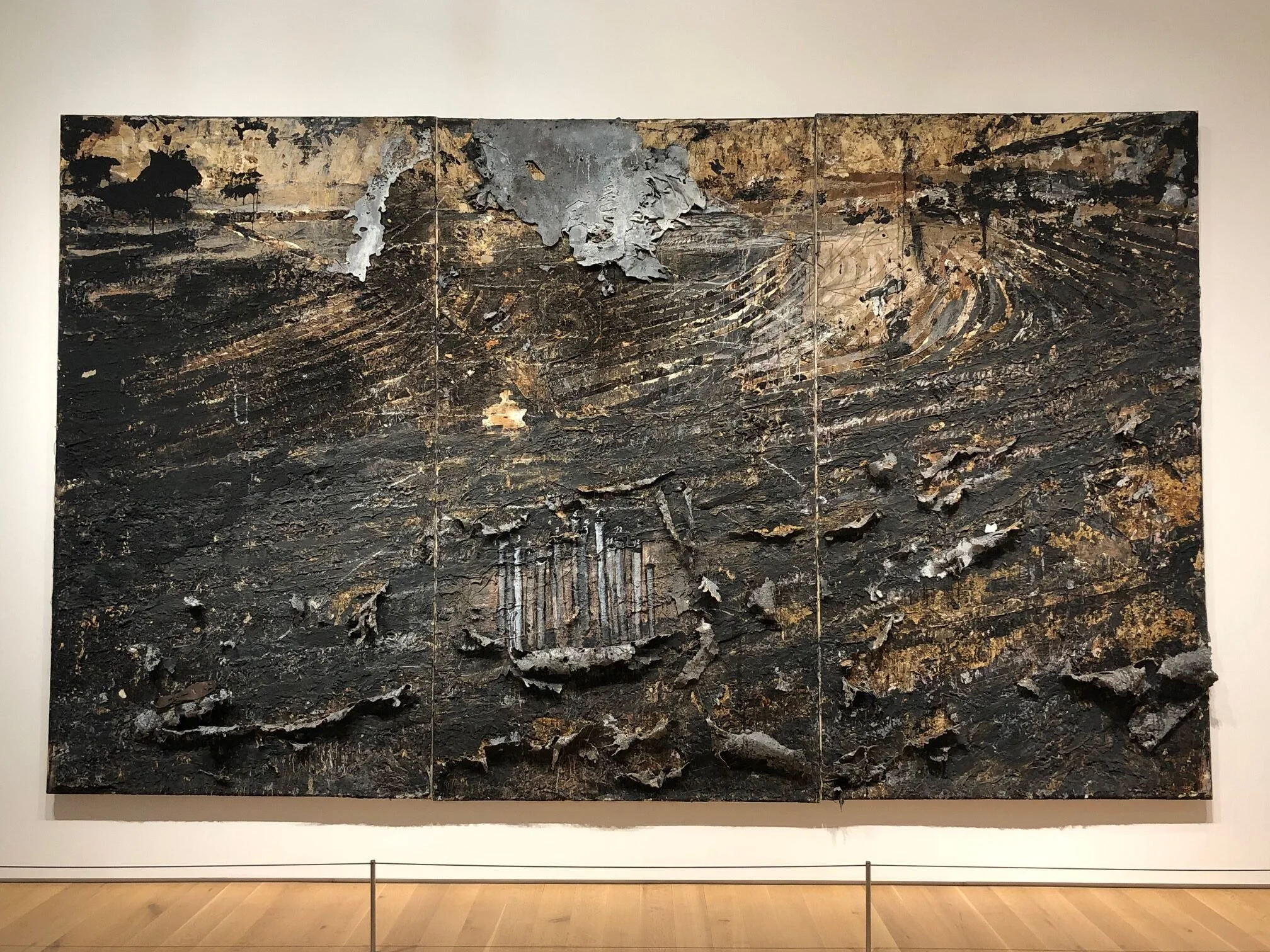
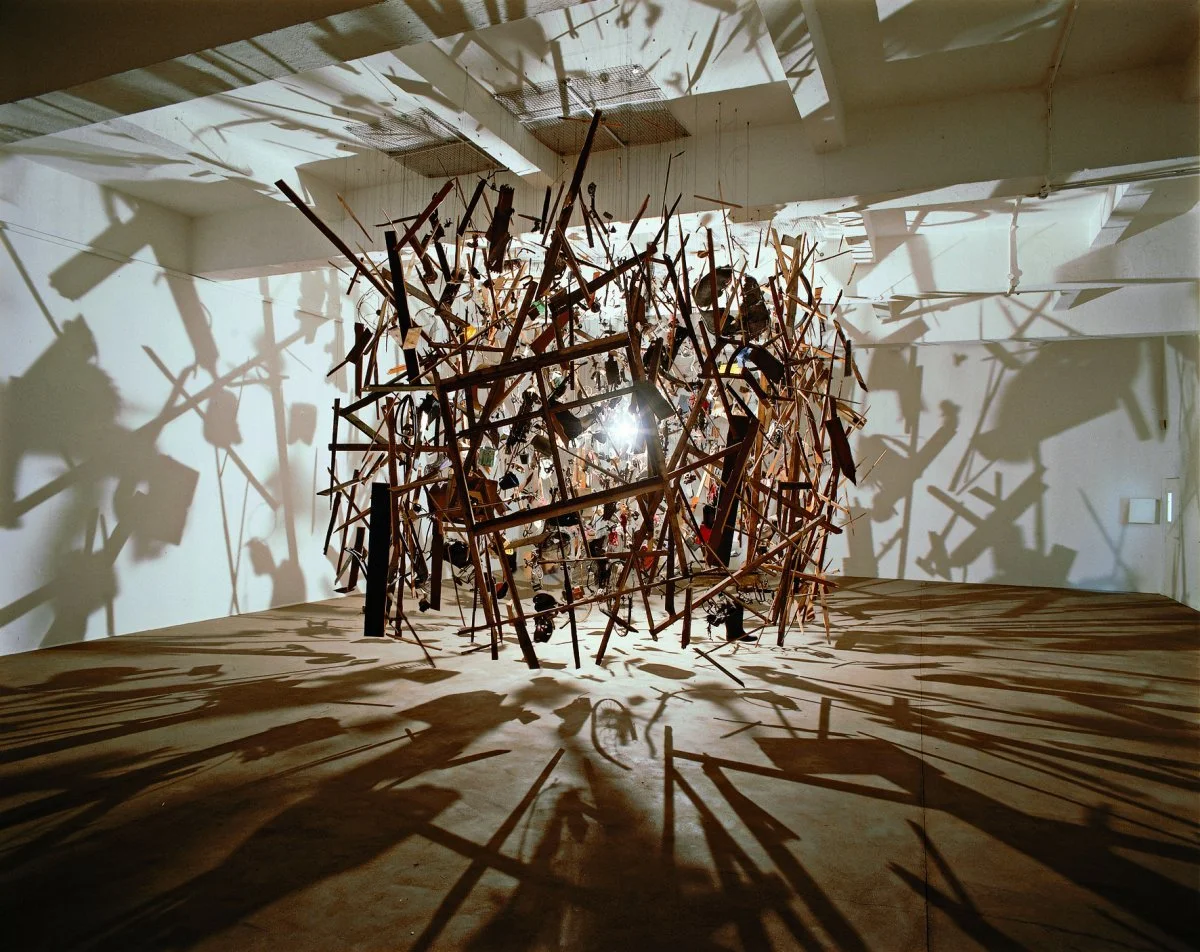
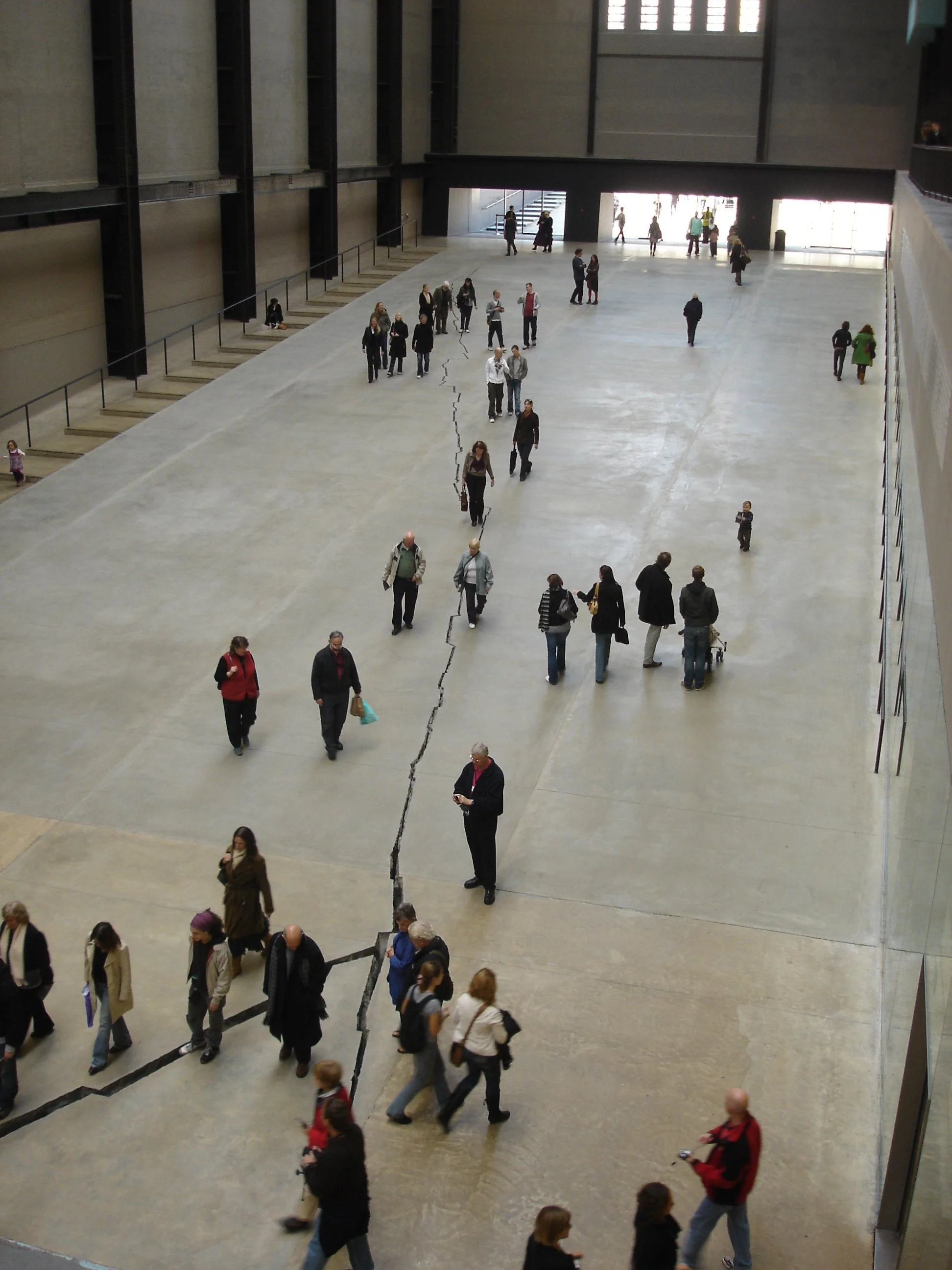
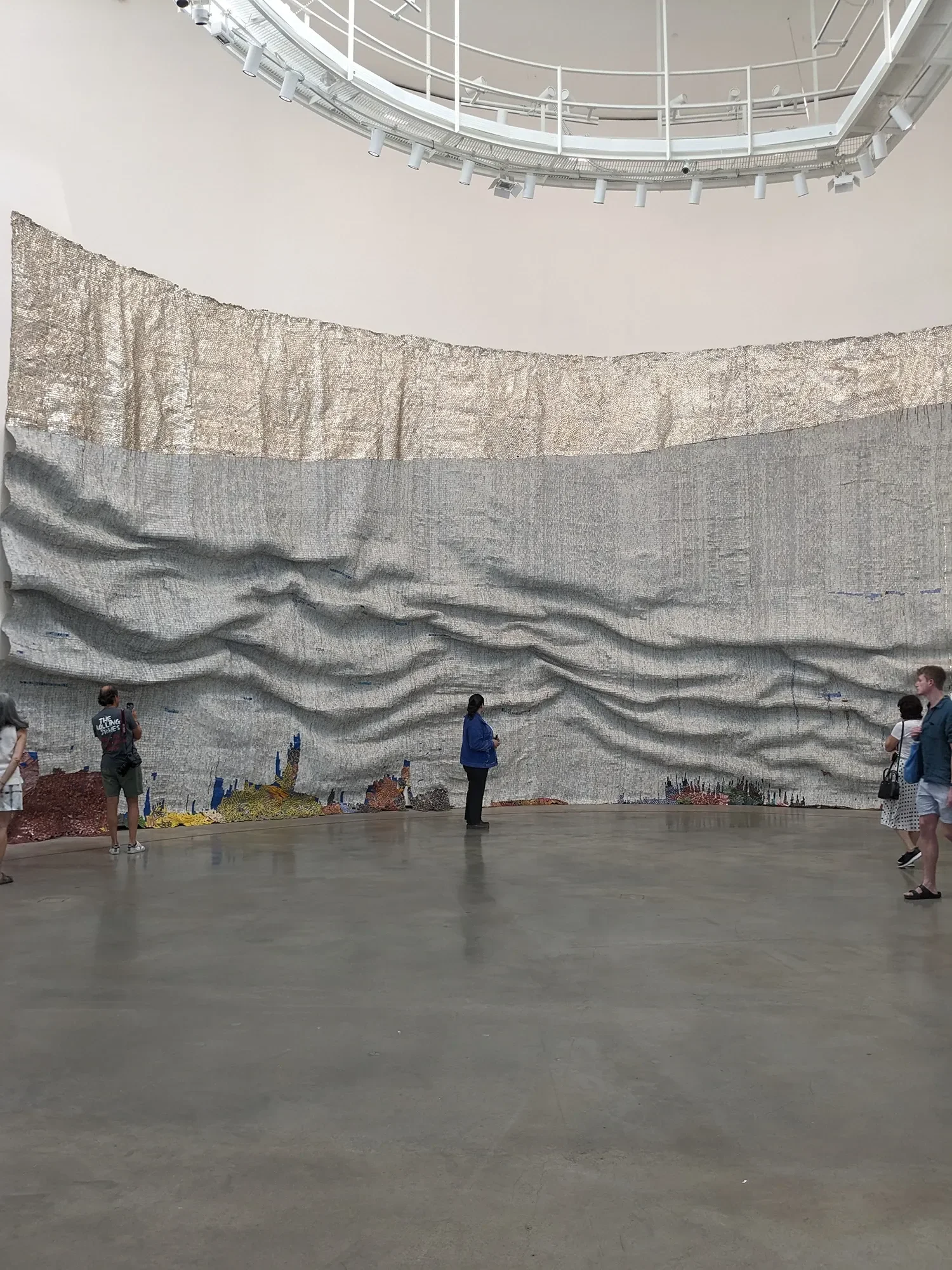
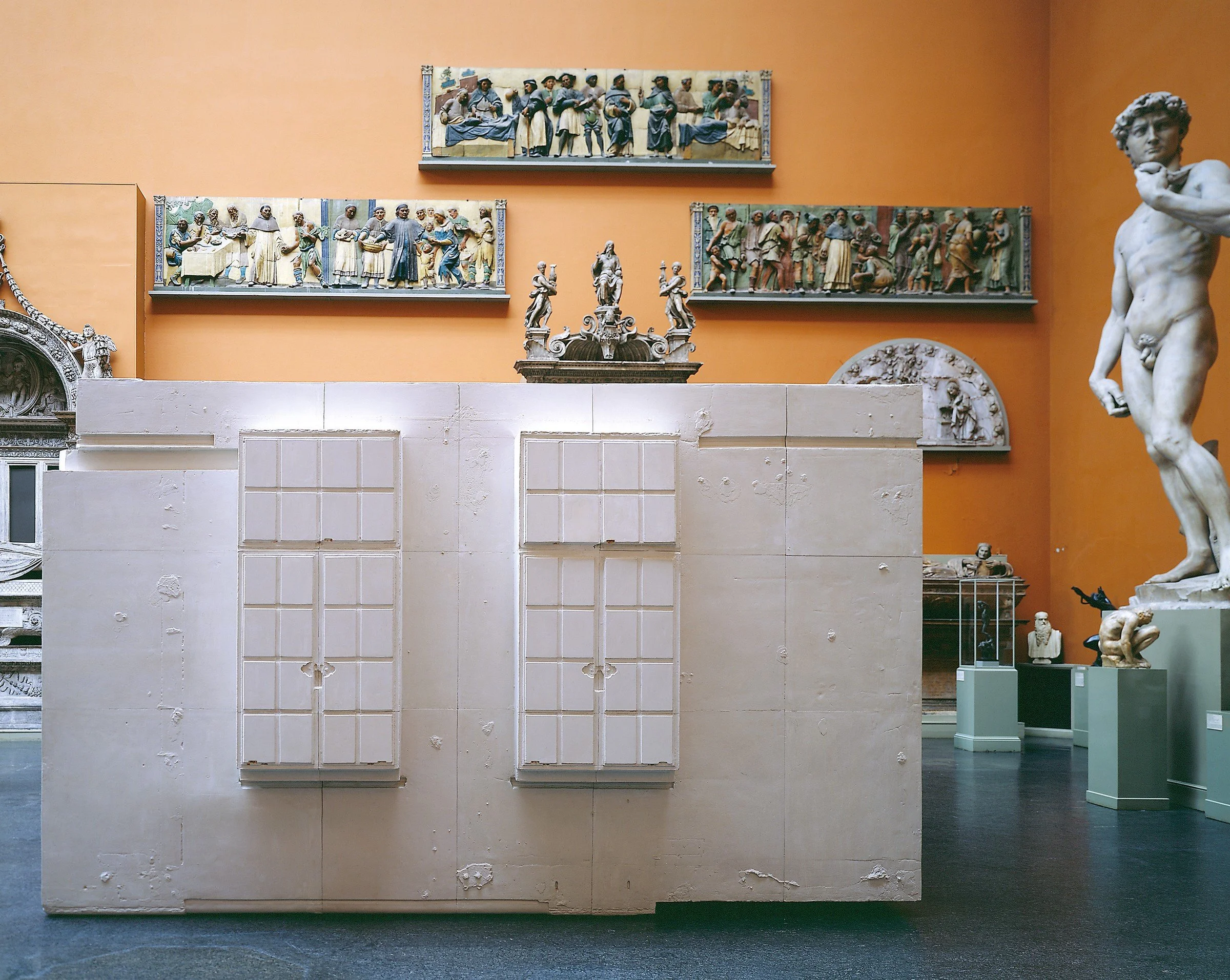
Artists have long experimented with surface using everything from cardboard and concrete to metal, textile, and found materials. At Green & Stone, we are always interested to see how artists are using materials and surfaces in interesting, innovative and unconventional ways. While innovation is encouraged, clarity is key: whatever your surface, it should be stable, intentional, and clearly described.
For some unusual surfaces artists have used, see below:
-
Cardboard
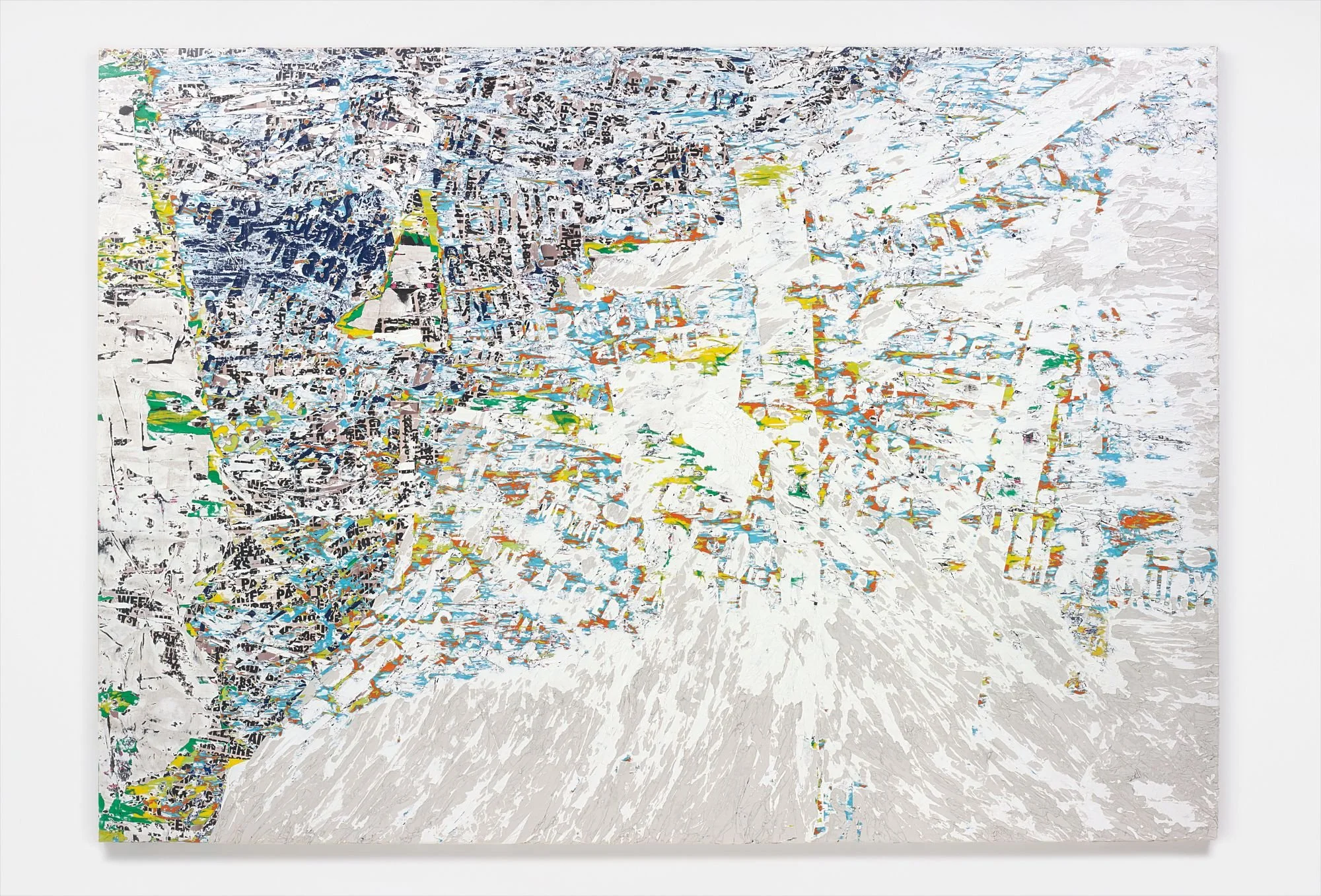
Newspaper
Book pages
Packaging
Billboard paper
Maps
-
Concrete
Metal sheets (steel, aluminium)
Lead
Glass
Plastic panels
-
Wood (raw or reclaimed)
Stone
Slate
Leaves
Bark
Although, make sure the work is durable if you are using natural surfaces as they a more likely to degrade over time!
-
Fabric
Canvas alternatives (linen, hemp)
Embroidery grounds
Rugs or carpets
-
Mirrors
Perspex / acrylic sheet
Wax surfaces
Resin panels
Burnt or distressed surfaces
Sand-coated panels