Oil Pastel Spotlight: Luana Asiata
Have you ever wanted to try oil pastels? We sat down with artist, Luana Asiata to chat about her love of oil pastels, her inspiration, and her studio practice.
Originally from New Zealand and now based in London, Luana is an artist with Samoan heritage whose practice is shaped by travel, memory, and a connection to place. After studying at Elam School of Fine Arts, she spent several years working as a freelance designer and art editor before returning to her own artistic practice during the 2020 pandemic. Working from her South London studio, Luana creates semi-abstract works using oils, acrylics, drawing, and oil pastels. Her work explores colour, texture, pattern, and mark-making, drawing inspiration from the places she has lived, travelled to, and the memories connected to them.
Her recent series, Scattered Past, explores the spaces we inhabit and how they shape us, inspired by the Samoan concept of ‘Va’ - the connection between people, place, and spirit. Alongside her own practice, Luana is passionate about bringing artists together and creating opportunities for connection. She founded the NZ Art Club and organises the Herne Hill Art Fair, supporting and showcasing the work of artists within the community.
In this interview, Luana shares more about her creative process, her experience working with oil pastels, and why she enjoys using this versatile medium in her practice.
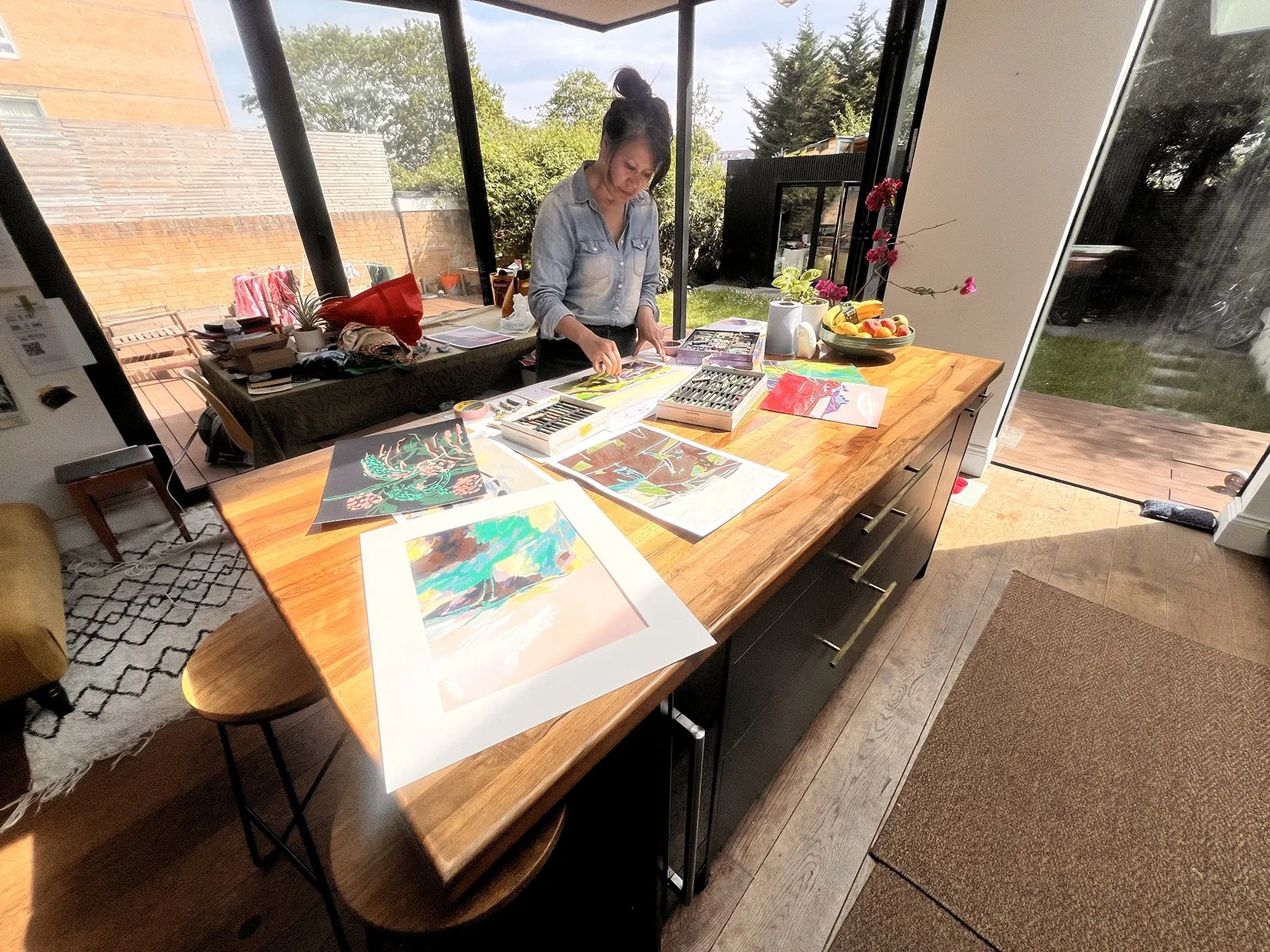
Luana working in her South London studio
How did you begin working in pastel?
My love of oil pastels began at art school. I didn’t always have enough money to buy oil paints, so oil pastels became a more affordable alternative. I quickly fell in love with them, and they’ve remained an essential part of my drawing process ever since.
What do you love most about working in pastel compared to other media?
Working with pastels allows me to explore compositions and ideas quickly. I don’t feel the same pressure to create a masterpiece as I do when working with oils on canvas, so there’s a real sense of freedom and spontaneity. I’m also addicted to the rich, buttery quality of oil pastels and their wonderfully tactile nature.
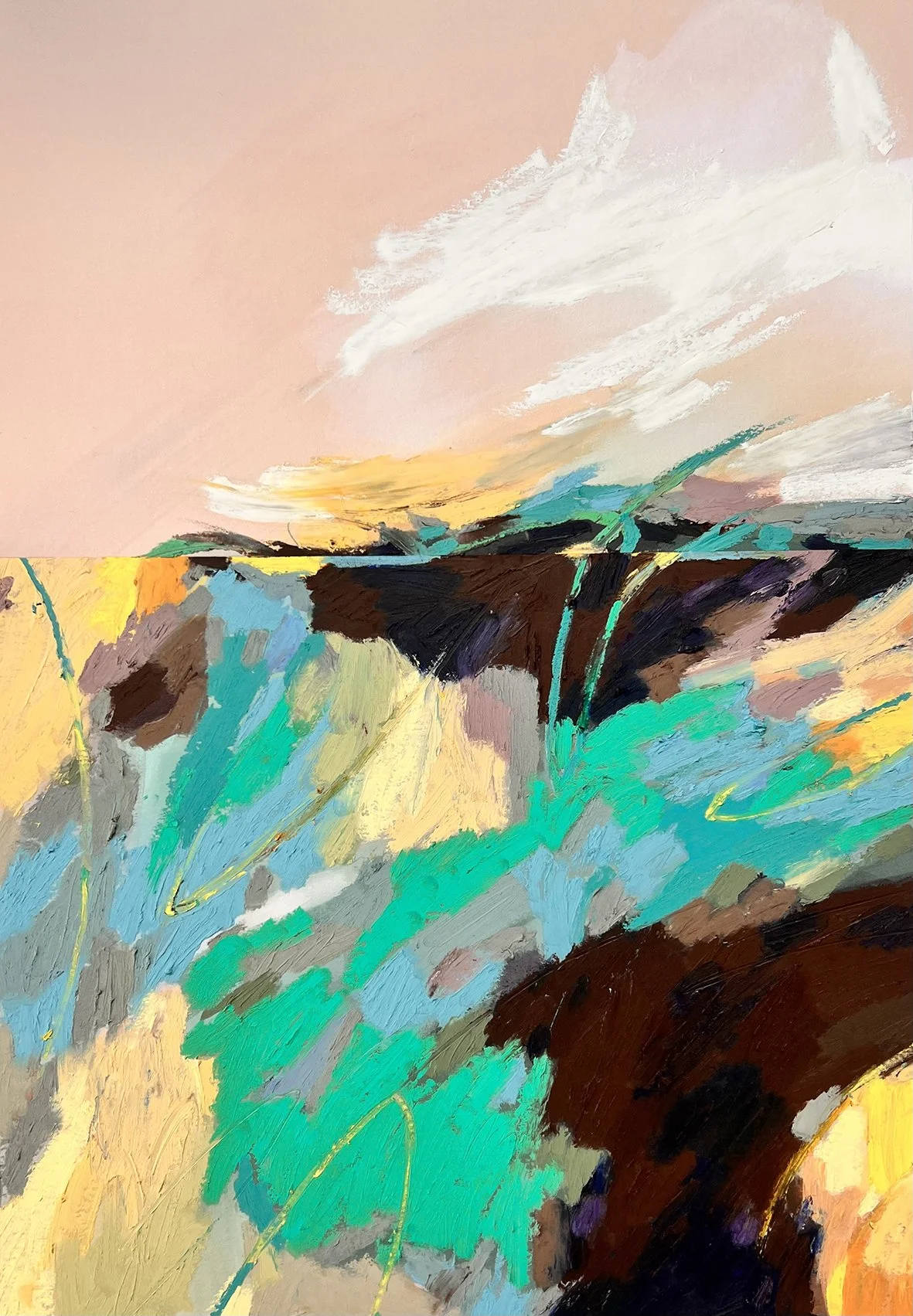
Bright Days, Luana Asiata
What would you recommend for someone trying pastel for the first time?
Like any new medium, it’s all about play and experimentation. Try soft, hard, and oil pastels to see which suits you best. I’d recommend buying the best quality you can afford, even if that’s just a few individual sticks or a small starter set in your favourite colours. Each type of pastel offers unique qualities and results. I prefer oil pastels for their creamy consistency, thick texture, and the ability to scrape back into the surface.
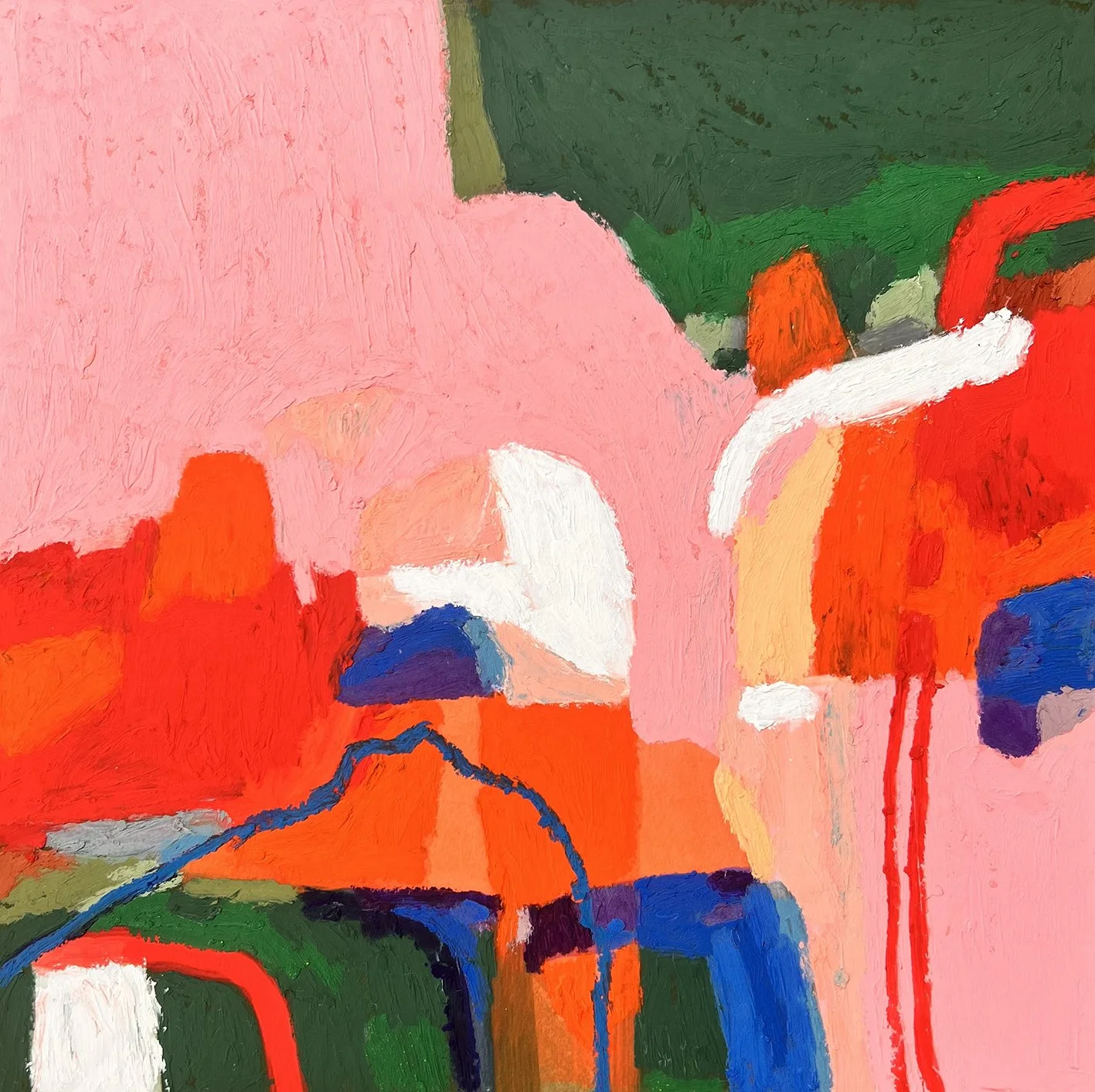
Geo Form I, Luana Asiata
How do you store your pastels?
I wish I were more organised in my studio! I often have piles of drawings on the table, and occasionally they make it into an already-full chest of drawers. I use glassine sheets where possible, or sometimes just A4 paper if I’m in a hurry. I keep my pastels in their original boxes with the foam protectors and store them out of direct sunlight. I like having a wide selection of colours, so I often take entire sets away with me when I travel.
Which surface or paper do you prefer working on?
I prefer working on paper and keep a selection of pads in various weights. I enjoy using Sennelier, Daler-Rowney, and Canson cold-pressed papers, and I’ve recently started experimenting with small offcuts of canvas.
Do you work from life, photographs, plein air or imagination?
For landscapes, I often work from life and en plein air. If I’m using a photograph, I usually create a sketch on my iPad in Procreate first, then develop the oil pastel piece from that drawing. When I’m creating an abstract composition, it almost always comes from my imagination and is guided by colour and form.
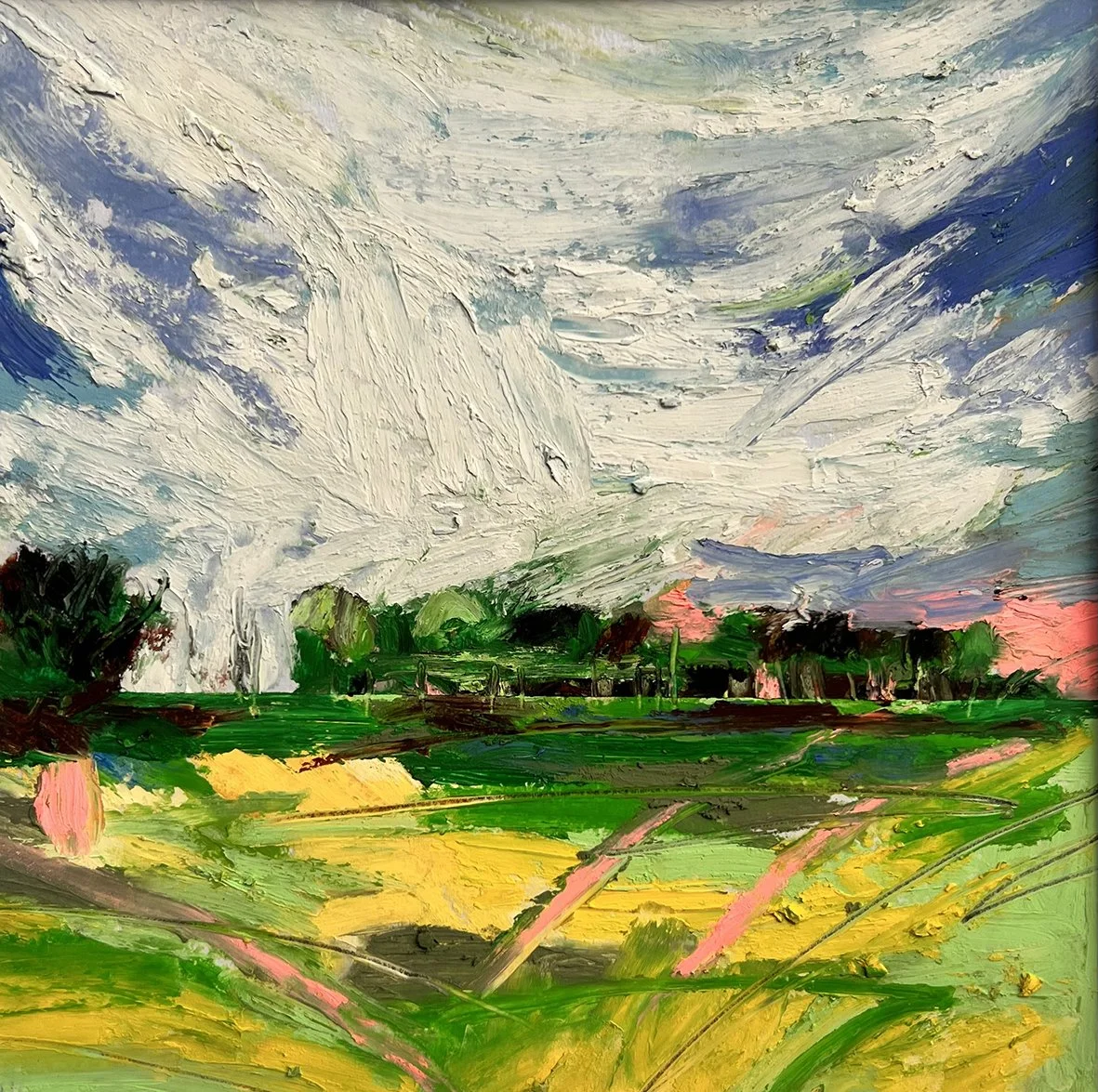
Hastings, Luana Asiata
What are your favourite colours to work with?
I tend to work with greens, blues, and pinks, often using complementary colours to highlight or draw attention to particular areas of a composition.
How do you approach colour when working in pastel?
I organise my pastels into colour groups and usually begin by choosing a colour that I’m naturally drawn to at the time. I like grouping similar values together and then introducing a complementary colour to create contrast and disrupt the composition in an interesting way.
What is one pastel tool or material you couldn’t work without?
Masking tape. I often use it to create a clean horizon line or to mask the edges of the paper and achieve a crisp border.
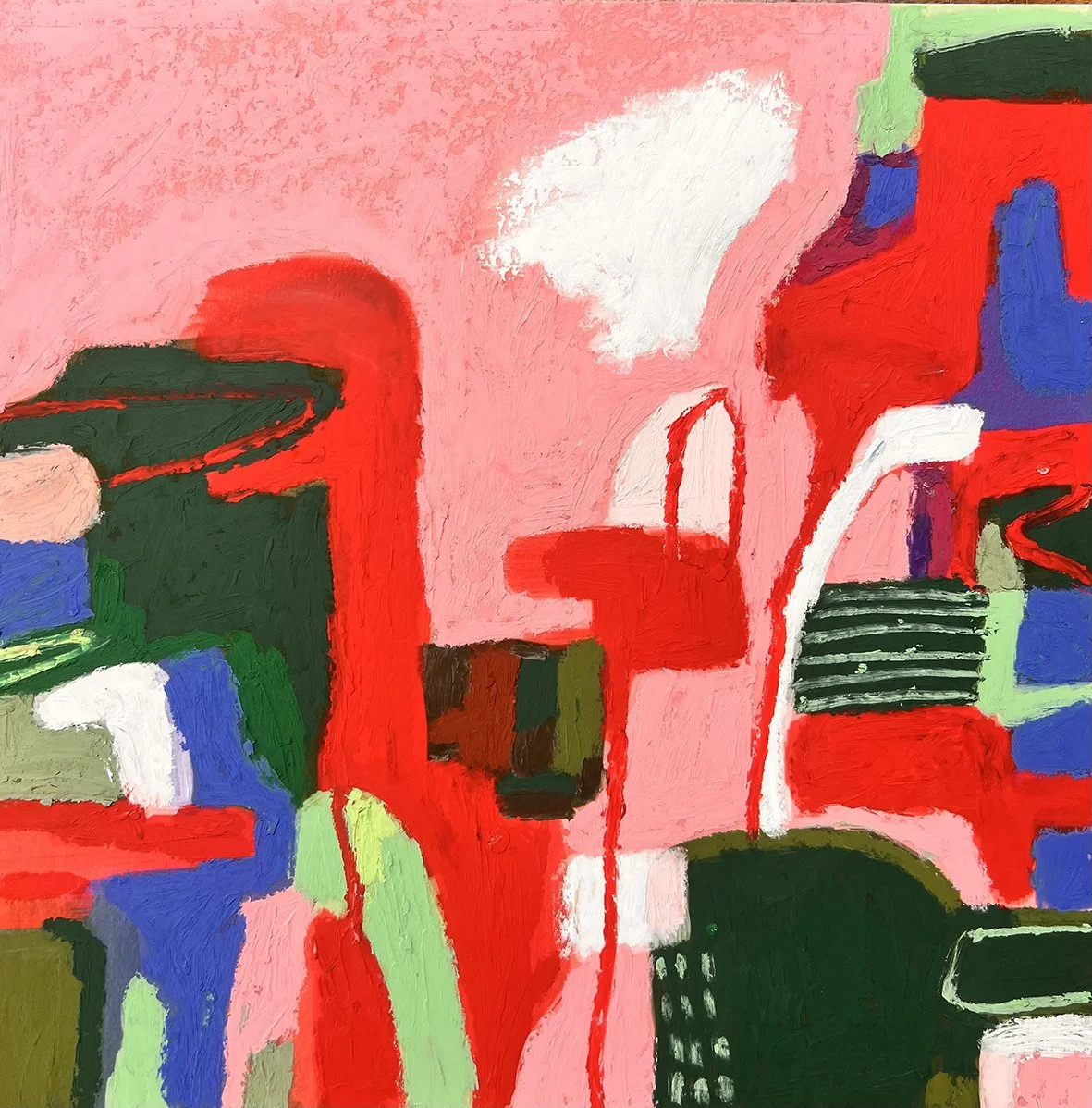
Geo Form II, Luana Asiata
Do you use soft pastels, hard pastels, pastel pencils, or a mixture? What are your preferred brands?
I mainly use Sennelier oil pastels, and I also love Unison soft pastels.
How do you protect or frame finished pastel works?
I use Winsor & Newton Matt Oil Spray Varnish to protect my work. For framing, I always use a mount and usually choose either a white or natural wood frame, with or without a spacer depending on the piece.
Who and What inspires you? Are there particular pastel artists that you admire?
I’ve always been drawn to colour, texture, and the emotional freedom of Abstract Expressionism. Artists such as Jenny Saville inspire me with her skilful use of impasto and confident sense of scale; Kandinsky for his bold colour palettes and abstract forms; and Flora Yukhnovich for her contemporary take on Rococo splendour.
Inspiration often arrives when I least expect it and can come from almost anywhere: a bus ride through London, my overgrown garden, watching my cat chase a butterfly, travelling around Ireland on a sunny day, a table full of food and wine, old travel photographs, Samoan and New Zealand culture, or wandering through art supply shops, galleries, and museums. Every day offers something different.
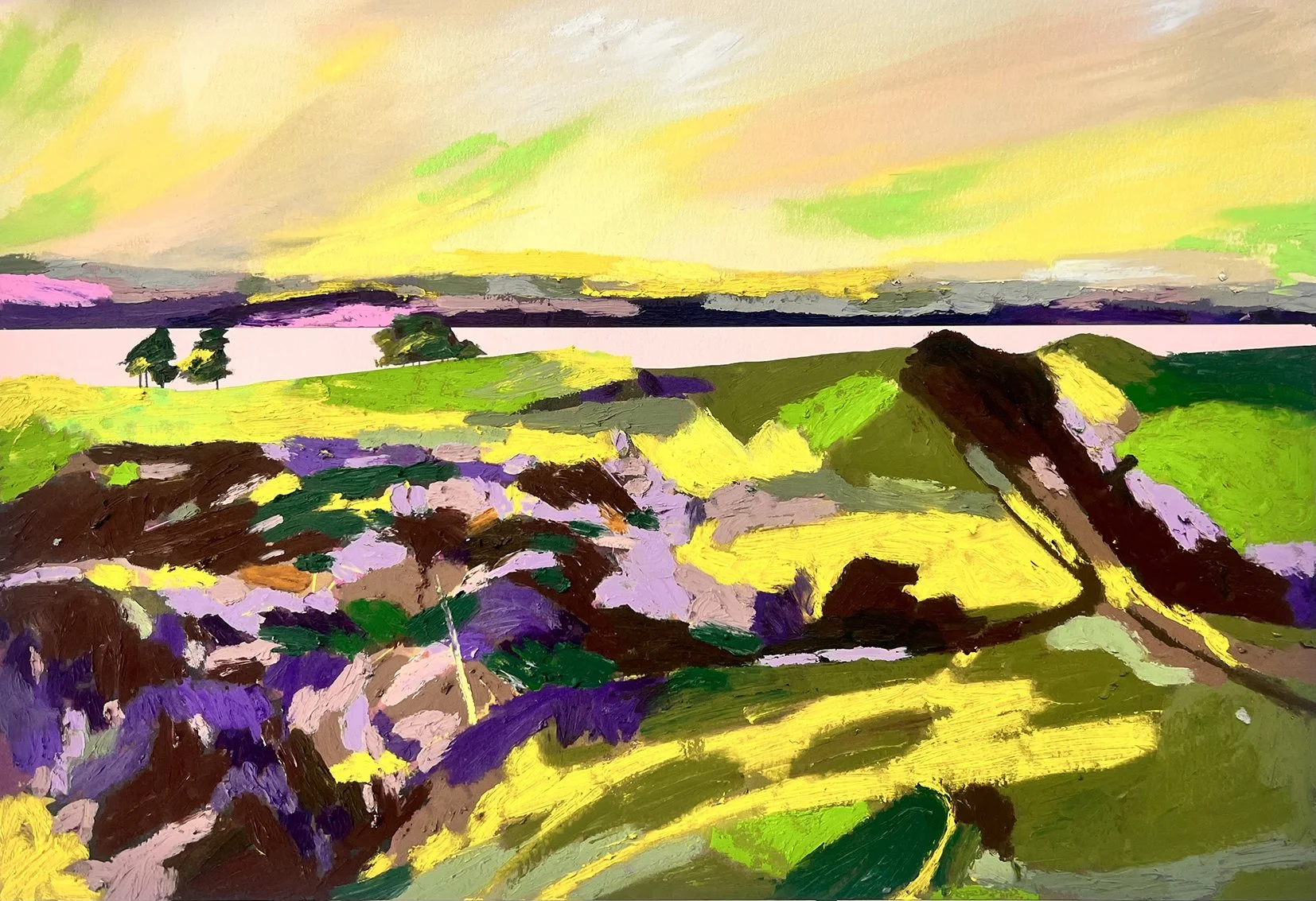
Ihumatao, Luana Asiata
Are there particular pastel artists that you admire?
I’m especially drawn to Cy Twombly and Joan Mitchell’s oil pastel work. I admire the energy and spontaneity in their mark-making, and the way they use abstraction to convey emotion and movement. Twombly’s expressive, calligraphic lines feel both instinctive and poetic, I've been a fan since I discovered his work at art school. While Mitchell’s vibrant gestures and layered color create a powerful sense of rhythm and atmosphere. Their work is a great reminder of how pastels can be both immediate and deeply expressive.
Describe a typical day in the studio.
Every day in the studio is different. Although I have a dedicated studio at the end of my garden where I create most of my paintings, I also work regularly from a space in my kitchen. I love sitting at the kitchen island to draw, it’s flooded with natural light and has a great energy.
Most mornings, once the children have left for school, I put the radio on, sit down with my breakfast, and spend some time drawing before heading out to the studio. That’s where I work on larger paintings, while the kitchen is often reserved for smaller works on paper or canvas.
Having a workspace inside the house helps curb procrastination. Seeing my materials and unfinished work every day is a constant reminder to begin. Starting is often the hardest part, but once I get into a rhythm, it’s hard to stop, and I never regret making the effort.
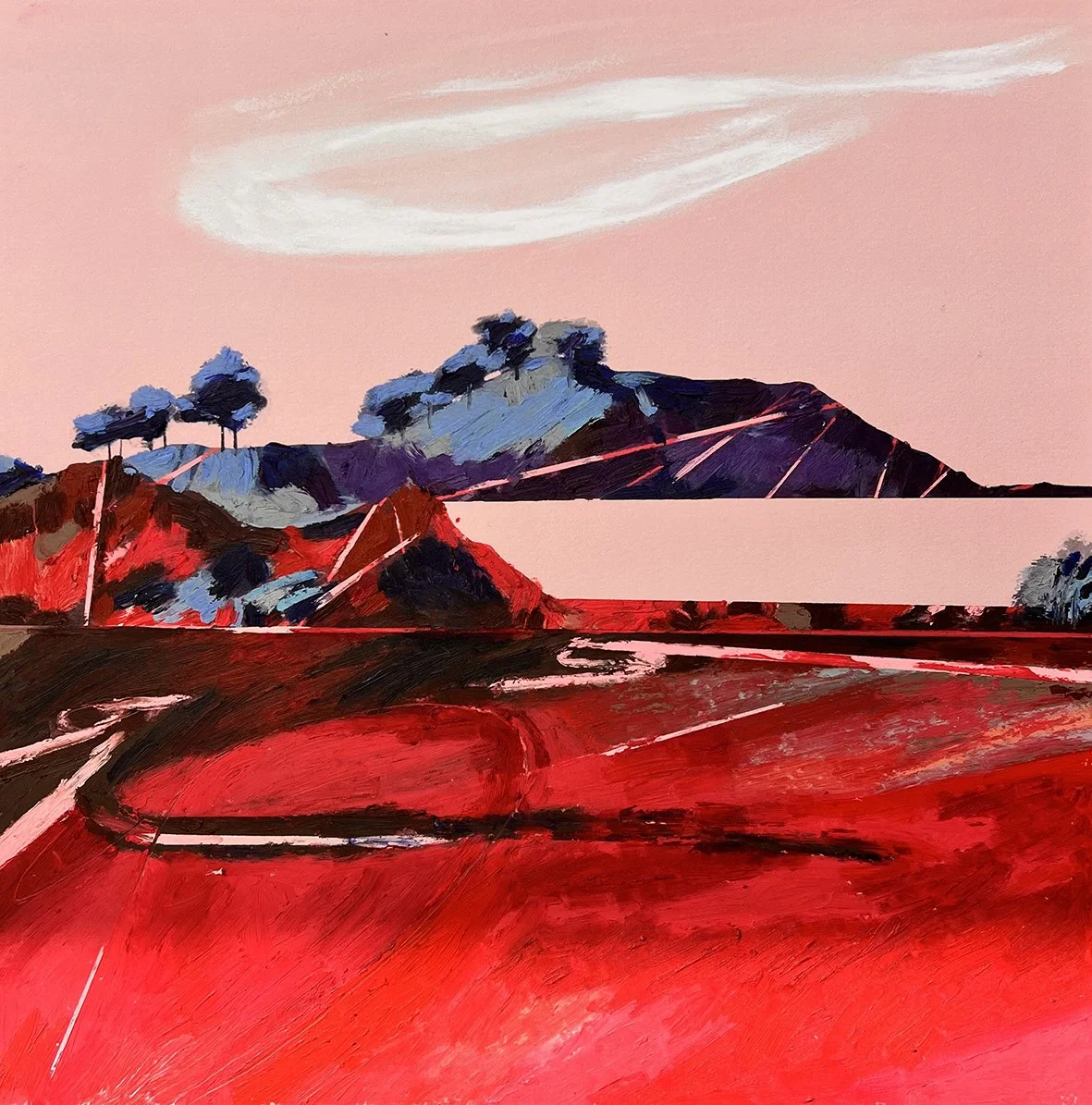
Mangere Mountain, Luana Asiata